




Our continued investment in Durrell Wildlife Conservation Trust’s Rewild Carbon programme is helping restore one of the world’s most threatened and richest ecosystems.
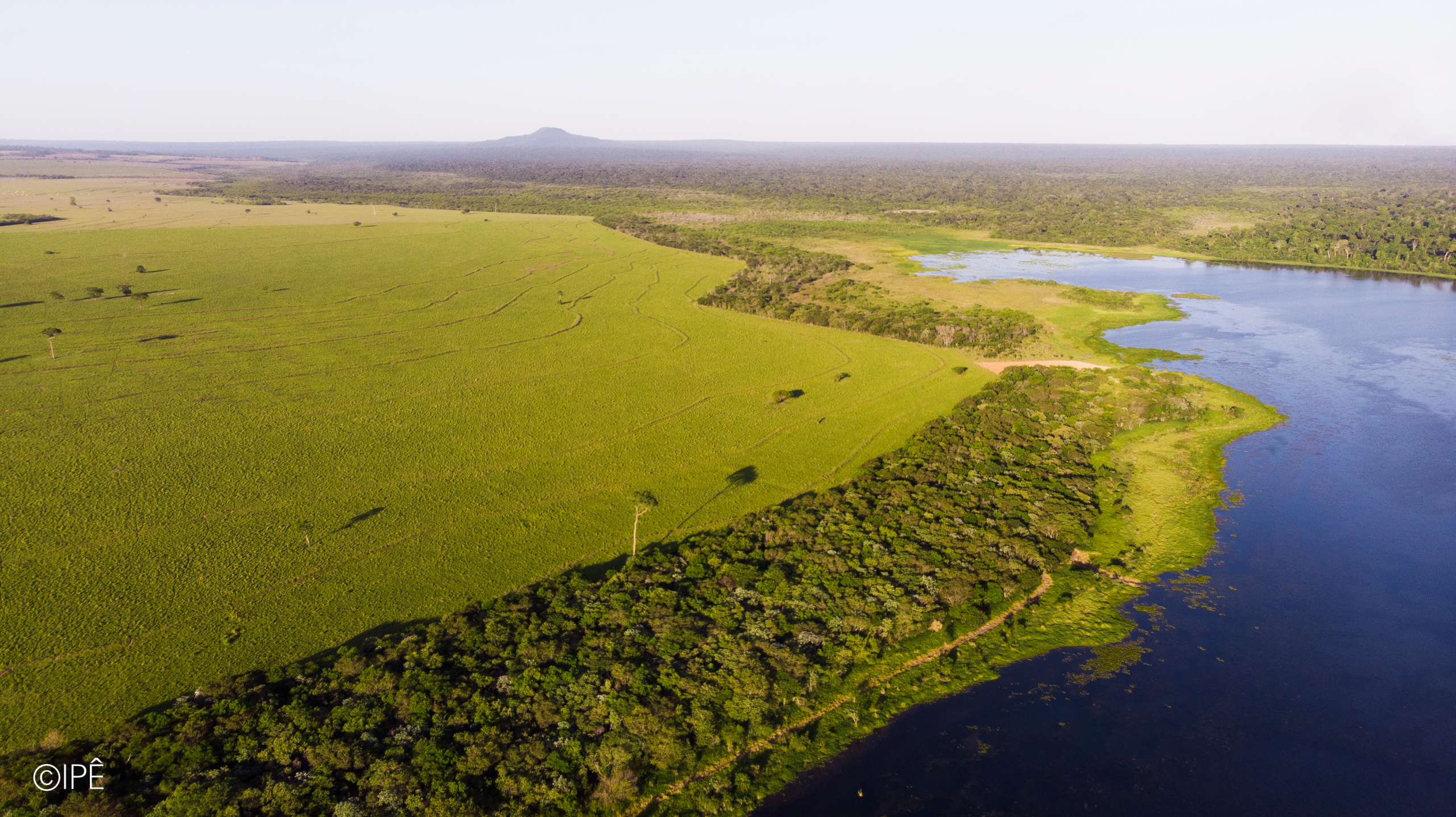
While contributing to the removal of carbon from the atmosphere, we’re supporting the restoration of habitats, biodiversity and local communities across the Atlantic Forest of Brazil.
The Rewild Carbon programme has now supported the restoration of 217 hectares of forest, with 434,459 native-species trees planted and being nurtured since 2021.
These new forests create corridors between fragmented areas of the Atlantic Forest, helping threatened species move between habitats and giving them access to food, shelter and space to thrive.
Across the wider restoration initiative, led by Durrell’s conservation partners, Instituto de Pesquisas Ecológicas (IPÊ), 62 bird species and nine mammal species have been recorded, while camera traps and audio monitoring are providing an increasingly detailed picture of how wildlife is using the developing corridors.
The programme has also absorbed an estimated 7,568 tonnes of carbon to date.
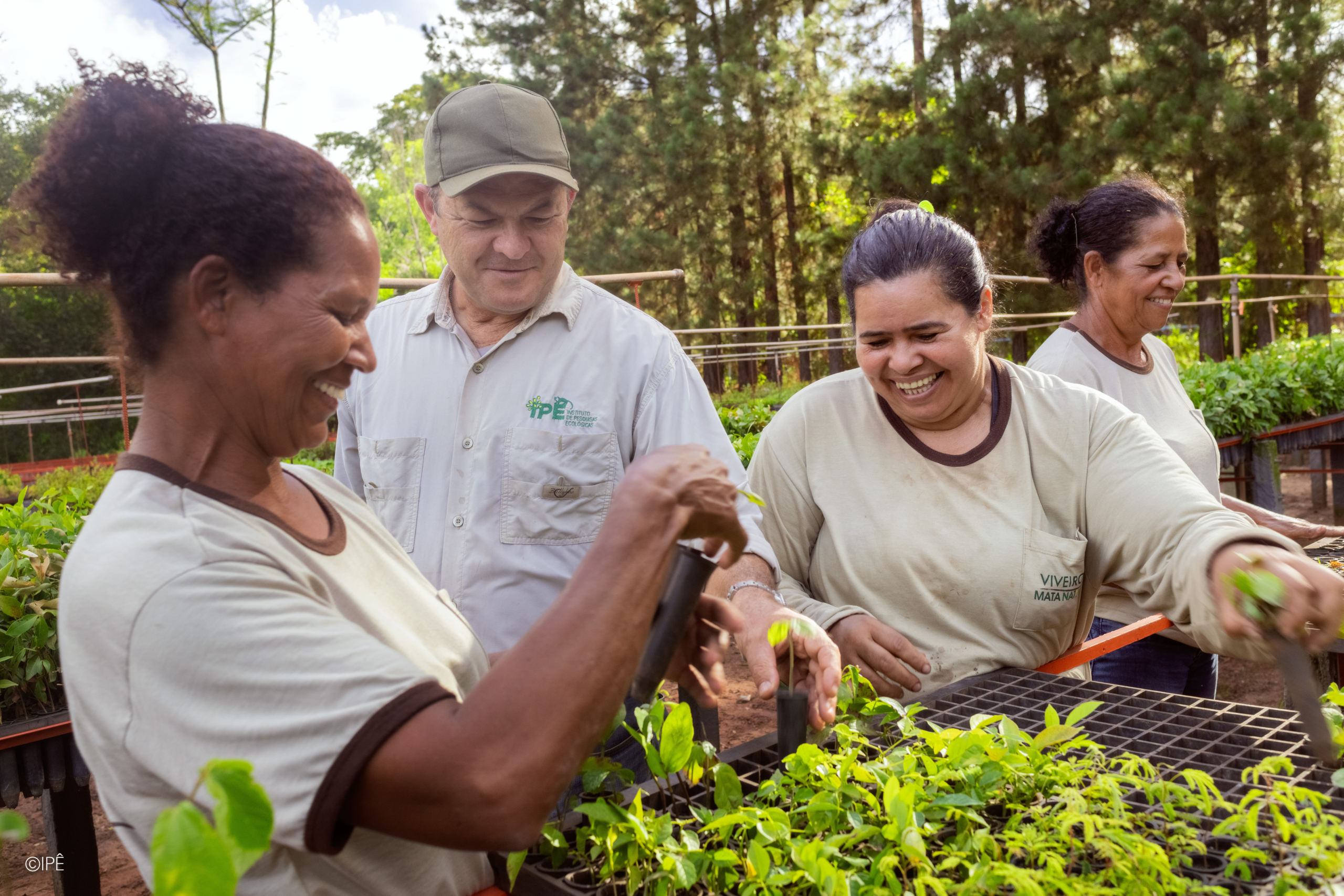
Local communities are at the heart of Rewild Carbon, with employment created through community-run nurseries, planting and forest maintenance.
In 2025 alone, the programme supported 197 local jobs, while 336 people received professional training.
Across the wider restoration initiative in the region, more than 7,000 hectares of forest are now under restoration, benefiting 1,115 people and supporting community-owned businesses through more than $20 million of investment.
For us, this is a vital part of responsible climate action. Addressing carbon cannot be separated from the health of the ecosystems and communities that sustain it.
Beyond reducing carbon emissions, investment also supports biodiversity conservation and wider work with local partners across Brazil, from protecting threatened species to improving habitat connectivity and creating opportunities for people working in conservation.
This includes ongoing work to protect the black lion tamarin, a species found only in Brazil whose remaining habitat is increasingly fragmented. In 2025, four black lion tamarins were translocated as part of efforts to strengthen populations alongside the work to improve connectivity between forest fragments.
Through this combination of climate action, biodiversity restoration and social value, our partnership with Durrell reflects our belief that meaningful climate action should create benefits for both people and nature.
The latest Rewild Carbon Impact Report shows what that investment is helping to achieve on the ground.
Read the report below to explore the progress being made in Brazil.